Sunday, 18 March 2007

Rain Water Absorption Rates on Bare Soils

In Darryl Cluff’s booklet titled “Farming Without Farming” ISBN 0-9751118-09 Published in 2003 and available through Stipa Native Grasses Association, Inc. he comments at one point that as a genera rule on land which has an effective water cycle in operation one should expect to see 1 cm of soil profile moisture created from every 1 mm of rainfall. Thus where the soil profile is dry and 5 mm of rain falls there should be 5 cm of soil moisture in the soil, after allowing time for infiltration.

Recently on Ochre Arch we received 9 mm of very gentle rain over a period of 5 hours. Pretty much all of the soil on the property had zero grass ground cover, and prior to the rainfall event the soil profile was extremely dry. Approximately 1 hour following this event I headed off across a couple of paddocks with shovel-in-hand to see how much moisture had been absorbed by the soil.

On the flatter country in one place where the soil surface was not capped I dug down to find that there was about 9 cm of moisture penetration – consistent with Darryl’s comments, and evident in the accompanying photograph.
At another place on the property I dug to see what the soil moisture profile was underneath one of the well-worn sheep tracks. The results here were markedly different, and the moisture profile was only around 1 cm – almost 90 % less than on the flatter country. See second photograph. This was despite the fact that there had been considerably more water in the sheep track, what with the runoff of water along the sheep-track that had occurred. On reflection, the primary feature of the soil surface in the sheep-track was compressed / capped soil, making the bottom of the track very much like an impervious trough. The underlying cause of the compaction was over-grazing.

The other critical factor in rainfall effectiveness is retention of water in the soil post the rainfall event. Given there is was no ground cover on Ochre Arch the loss of moisture in the days following was extreme (especially given hot weather) and pretty much all of the moisture had evaporated within 48 hours.

For those wishing to learn more about the basics of the way the water cycle works, there is an excellent presentation on the www.managingwholes.com website. Click HERE to go directly to the presentation.

Unexpected Results from Feral Cat Trapping Attempt

Recently on Ochre Arch we noticed some feral cats near the house and shearing shed, so I decided to have a go at trapping them in the interest of encouraging birdlife around the place. As a ‘lure’ to the trap I placed a rabbit that I’d shot earlier in the day inside the trap, and set it about 20 metres from the house closest to our bedroom. The theory was that when and if we did catch something we’d hear it in the trap, and I’d be able to quickly and humanely deal with whatever was caught.
It transpired that the night in question was incredibly windy and noisy. We heard nothing during the night other than the wind belting through the trees near the house. In the morning I ventured out, and was bewildered to see that the trap had been moved about 5 metres, turned end-over-end and on its side, and that that the trap door was open and the rabbit had gone. Close inspection of where the trap had been set revealed substantial scratch marks on the ground, which to me were most probably made by a fox. Whatever it was that managed to do what it did to the trap and remove the rabbit certainly deserves respect for cunning and persistence if nothing else.
The next day I was recounting the above to my mother, who explained that my father used to use milk in a bottle lid to lure feral kittens from their hides. After several days they became accustomed to the practice and could be approached and trapped. Armed with this information I decided to set the cat-trap up in the shearing shed (not accessible to foxes) with a bottle lid of milk in it. On the first night the trap was untouched. However on the second morning when I entered the shed the trap had been triggered but at first glance appeared to be empty. On close inspection I was amazed to find a large and healthy Blue-tongue Lizard near where the milk had been placed. It quickly scampered away to safety on release.
Some days later I shared the above information with a neighbour who explained that snakes love drinking milk, so it’s possible all reptiles do.

Needless to say my feral cat trapping exercise did not produce the results I’d hoped for, but most certainly added to my own knowledge, not to mention respect for the ingenuity of foxes!

Friday, 16 March 2007

“Blue Tardis” Camp Shower Successfully Constructed

Our farm is bit light on in terms of some of the ‘normal’ facilities most people expect to see on a farm, or house for that matter. We’ve not had a shower set up, so have tended to visit family or neighbours places or alternatively shower in the open using the Coleman Camp Shower we bought some years ago. The challenges with this latter option include lack of privacy, wind chill factor and rapid evaporation.
On our last trip we got a bit creative and have now constructed what I’ve named the “Ochre Arch ‘Blue Tardis’ Camp Shower Extraordinaire” as you will see in the photographs.
The "ingredients" and construction process is outlined in the following ‘recipe’.

"Ingredients" for constructing the shower surround
* Flat impervious surface on which to locate the structure.
* Second-hand overhead tank stand (doesn’t everyone have one of these!)
* Material for covering the tank-stand (in our case, blue tarpaulin)
* Fencing wire & pliers
* Soap / shampoo shower accessories rack
* 3 clothes pegs
* 1 clamp, large enough to go over the pipe of the tank stand
* Scissors
* Wooden wedge
* Bucher’s hook (again, doesn’t everyone have one of these!)
* Tape measure or string (for measuring tarpaulin)

Instructions or constructing shower surround
* Place tank stand upright on impervious surface, and stabilize using the wooden wedge under one of the tank stand ‘legs’.
* Cut tarpaulin to size using scissors. The width needs to be sufficient to go from the ground to about 600 mm above the height of the likely tallest person to use the shower / the top of the top rail of the stand. The length needs to be long enough to go right around the outside of the tank stand, with about 300 mm overlap. Cut a section from the top of the overlap so that it can be folded over the top rail of the stand and pegged in place.
* Anchor the tarpaulin on one corner of the stand (at where you want the entrance point) by folding the overlap flap over the top rail and hold in place using the 3 clothes pegs.
* Wrap the rest of the tarpaulin around the stand, and anchor in place using the clamp on the pole where the overlap occurs.
* Use pliers and wire to install a hook on one of the poles inside the stucture
* Place soap / shampoo shower accessories rack on the hook
* Hang Butcher’s hook over one of the rails – for towel and clothes


"Ingredients" for the shower mechanism
* 2 X 20 litre plastic containers. In our case we sourced 2nd hand ones from our local Hammersley-Direct outlet, for the price of around $1 each. Select containers that have had ‘environmentally friendly’ substances in them, such as Eucalyptus based oils (Ask the supplier for advice here!)
* Coleman Camp Shower
* 4 X D Size batteries (to power the Camp Shower)
* Fresh water sufficient to fill one of the 20 litre container
* Cordless drill with 5 mm (or thereabouts) bit

Constructing the shower mechanism
* Install batteries in the Camp Shower battery container
* Use cordless drill to create 2 holes each abut 80 mm in diameter in the top of one of the 20 litre plastic containers

Water Heating
* Fill other 20 litre container with fresh water early in the morning, place screw cap on it, and leave it in the sun all day. This assumes evening shower use. From our experience 1 X 20 litre container is sufficient for 2 people to comfortably (separately!) shower.

Getting ready to use the shower
* Locate the plastic container with the 2 holes in the top in one corner of the shower structure.
* Poor heated water from the other container into the one with the 2 holes in the top
* Place ‘pump’ of the camp shower in one of the 2 holes in the container that now has water in it.

Using the shower
* Turn camp shower on via switch on the top of the battery holder
* Place shower nozzle in the other hole in the top of the 20 litre container when not actually using it for wetting i.e. leave the pump going but place the nozzle in the hole so that water can be recycled.

Other tips
* We use wooden slat ‘thingies’ to stand on whilst showering and another just outside the shower for feet draying.
* For nocturnal shower use we suggest the purchase of one of those solar powered garden lights. These cost about $10-15.

In closing
Patent pending - just kidding. If following the above instructions doesn’t work for you, don’t blame me! Enjoy!

Monday, 12 March 2007

Matching Stock Numbers to Available Feed - Outback Style

Last month I attended a friend’s “Surprise 60th” birthday party at which I had the pleasure of being re-acquainted with Barry Sommerlad, a great bloke who I had the pleasure of first meeting in late 1979 when I made my decision to enter the world of financial services (or just plain 'banking' as it used to be known then). During the course of our conversation at the birthday party Barry shared with me a fascinating experience he’d had in his “Bank Manager days” in connection with the word ‘perish’. After the party I contacted Barry and invited him to document his recollections in more detail, and invited him to send it to me for publishing as a guest blog article. Here is the content from what Barry has now sent to me. Thanks Barry!

“Approximately 20 years ago, I had the opportunity to visit Isis Downs, near Blackall in central western Queensland.

The Isis Downs’ website details that in its heyday in 1912, the property comprised 2,340 sq kms and had a carrying capacity of up to 230, 000 sheep. Following the Second World War, the area was reduced to 1,227 sq kms as a result of soldier settlement. In 1987, the Packer family, through its Consolidated Pastoral Co., acquired Isis Downs and a further 9 surrounding properties to increase the holding to 2,327sq kms. It now has an estimated carrying capacity of up to 120,000 sheep and 21,000 cattle, or 17,500 cattle only. In more recent years, it is believed the focus has been on cattle due to the greater stability in that market sector.

My visit occurred just before the sale to CPC took place. The then owner gave me a run-down on the history of the property. It had boasted what was believed to be at one time the biggest shearing shed in the southern hemisphere, and for its time had state-of-the-art electric shears. There were the remains of an articulated truck/wagon/trailer for transporting a huge number of bales following shearing, to the nearest rail-head. The vehicle had an articulated driveshaft running from wagon to wagon, and while it had a huge carrying capacity, it was very slow and cumbersome and enormously heavy, and the merest hint of rain saw it sink into the ground, not to move until it dried out.

The owner had read all of the journals and diaries left by former owners and managers, and there were a number of entries in the earlier years that intrigued him. Some entries referred to the quality of “perish” that had been achieved during the year. The journals gave no hint as to what “perish” meant, and the owner had not encountered the description in his experience on other properties in other parts of Australia. He therefore sought assistance from neighbours who had had long-term experience in the area, and was given the following explanation, which is as I recall it.

If there had been a good start to the season, sheep numbers would be increased to the absolute maximum that the property could sustain, a figure well beyond, the normal carrying capacity. If the season was good enough to sustain the increased sheep numbers then “well-and-good”. However, if the over-stock number could not be maintained, then obviously sheep had to be culled and numbers reduced in a manner deemed at that time to be, on the balance of various factors, as humanely as possible. Due to the remoteness of the property, it was not practicable to truck the sheep elsewhere, and if the season was poor there then there would be little market for surplus stock.

The culled sheep were put-down in the following manner. A huge enclosure would be constructed with fences made of piled-up scrub and brush. The culled sheep would be driven into the enclosure, and the entrance filled in with scrub and brush. Over a relatively short time, the sheep would perish from hunger and thirst. Further “perishes” would take place as needed.

It is likely a good “perish” involved as few sheep as possible and a bad “perish” a significant reduction in sheep numbers. The practice at the time was regarded as an effective means of managing stock numbers and maintaining sustainability.

When this was explained to my host/owner, something else twigged with him. When he flew over his property to inspect dams, bores, tanks, windmills, fences etc, following rain he was intrigued by the large geometrically-shaped areas where the vegetation growth was much better. These had been “perish” enclosures and many decades later, the fertiliser provided by the deceased sheep continued to benefit the land.”

Sunday, 4 March 2007

Grenfell district in early European settlement & subsequent times

After reading my recent blog titled “Ochre Arch Land Monitoring Sites Established” one of my contacts in the USA asked that I create a blog giving more detail on the history of the Grenfell district (in New South Wales, Australia) where "Ochre Arch" is located, including information on the landscape, vegetation and fauna when Europeans first settled the area. I referred the request to my uncle, Peter Diprose, who kindly researched the topic and documented his findings for me. What follows is what he sent through to me, which I’ve made into a ‘guest blog’. Thanks Peter!

Grenfell is located 380 kilometers West of Sydney, and is 350 metres (1150 feet) above sea level. The average rainfall based on personal / family records over 120 years is 21 inches per year (535 mms), varying from 9 inches to 44 inches.

The area was first settled around 1835 by “squatters” (ranchers) coming west from the eastern seaboard. The area was open woodland – widely spaced trees including eucalypts, some acacias, pines (callitris calumallaris and callitris calcarata) with a range of woody shrubs. The trees were fairly widely spaced with good grass between. Water was supplied by springs and, in good years, semi-permanent creeks.

When the first settlers arrived they were gratified to find wide open grassland with a good sprinkling of shade for their stock. The indigenous fauna included red and grey kangaroos, various wallabies, koalas, wombats, bettongs and bilbies and occasional quolls. It must be noted that all Australian native animals are soft-footed, unlike horses, cattle, sheep and goats, so that over time what were useful pastures for stock began to deteriorate and only the coarser grasses remained. The softer, more nutritious varieties couln not stand the hard hooves of the stock. (Editors note: There are some who argue it is not the ‘hard-footed’ herding animals that caused the damage to pasture species, but rather the way in which they were managed).

The introduction of fences (and the arrival of land laws!) and the consequent ability to control grazing helped to maintain reasonable grazing. It was not until imported grass and legume species were introduced that stock husbandry was assured. When gold was discovered in 1865 the local stock industry received a boost – there were thousands of miners and the usual entourage to feed.

By the late 1800’s farming had begun – mainly wheat and barley. With the introduction of farming and as a result of the “Great Drought” (1895 – 1915) accompanied by an economic recession most of the large stations (ranches) had become uneconomic and if the owners did not voluntarily sub-divide the governments of the day resumed them for “closer settlement”, that is for farming. Thus the day of the large holding was over in the district. Even though the seasons were drier than usual, by 1900-1910 Grenfell had become known as the “granary of the Southern Hemisphere”. In 1901 Rail arrived in the area and this made transport of produce much easier, and farming became profitable.

After WW1 there was an economic boom in agriculture – felt through the larger world. More sub-division of property occurred to cater for the demand for farms. As a result, by 1930 and the Great Depression, many of these farms became untenable, and only the better managers survived. A similar situation occurred after WW2 and this put more pressure on the land. Although some farmers abuse their land, most of our problems have been a result of bad government policy. Currently, land is being aggregated by better managers, and this may ease the pressure on the land. Hopefully we will have learned a lesson – but one can’t help wondering if, as the world population continues to increase at an alarming rate, we will survive.

Thursday, 22 February 2007

Managing blue-green algae in farm dams

In Ochre Archives Newsletter No. 4 I mentioned that we had blue-green algae in one of our dams. Toni McLeish, Coordinator of the Grassy Box Woodland Conservation Management Network has kindly provided me with a link to some very helpful information produced by the NSW Department of Primary Industries on this subject.
Here it is: http://www.dpi.nsw.gov.au/aboutus/resources/factsheets/primefacts/managing-bluegreen-algae-farm-dams
At the above address you'll also be able to access a PDF on the subject.
Thanks Toni!

Wednesday, 21 February 2007

Ochre Archives Newsletter - Issue No. 4

Introduction
Welcome to the fourth edition of ‘Ochre Archives’. The Newsletter is a little later than we’d planned. On 1st February 2007 we assumed responsibility for directly managing the farm and Phillip has ramped up his activities in generating off farm income in the land regeneration arena as well. Here’s our latest batch of discoveries and actions.

Feedback on Ochre Archives No. 3
Our thanks go to Mikla Lewis for identifying the plant species with blue flowers pictured in Ochre Archives No. 3. It was a Rock Isotome (Isotoma petraea) which was used by Aborigines as a substitute or addition to 'Pituri' - "a highly valued stimulant used for ceremonies, operations, socially and for spiking waterholes to aid the capture of game".


Flora & Bird Survey November 2006
Tamsin Martin from Ecolens based at Millthorpe visited “Ochre Arch” and conducted a flora and bird survey. Tamsin’s visit was coordinated by Andrew Zelnik from the NSW Department of Environment and Conservation. We have yet to receive the output from the visit, but were pleased that Tamsin was able to identify a species of plant located to the west of Lookout Rock. The plants are called Mat Rush (Lomandra longifolia) and the reeds from these plants were once used by Aborigines for weaving.


Findings from recent trips to the farm
Trees and Shrubs

The 2 Kurrajong (Brachychiton populneus) trees shown in the picture have shed almost all of their leaves except for some right at the tips of the branches. We suspect this is in response to the extended dry period, and hope they recover when we do get decent rains.


Rock Formations
We’ve come across the rock below in the Middle Hill paddock and named it ‘Bear Rock’. Wallabies & Kangaroos use it regularly for shelter.


We now know of two natural arches on our property. This one is located in one of the creeks in Ghost Valley, and is quite different to Ochre Arch.


Reptiles
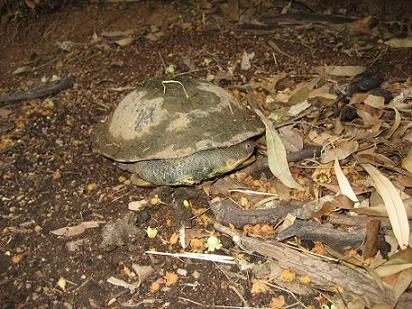
Following rain in November we found this Eastern Snake-necked Turtle (Chelodina longicollis) wandering along the creek in the Spring Paddock. It was about 500 metres from the nearest water point.


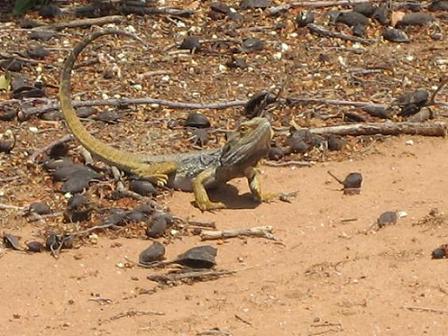
Last week this Eastern Bearded Dragon (Pogona Barbatawas) ‘sun-baking’ on bare ground in the Middle Hill Paddock.


Water
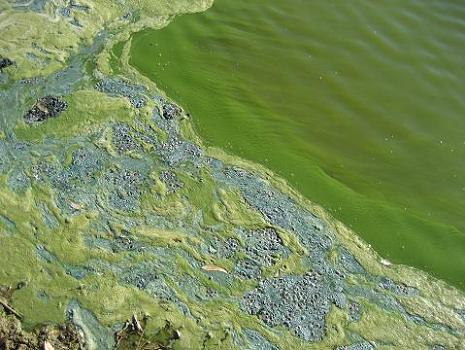
Blue - green alga has developed in the Crayfish Dam.

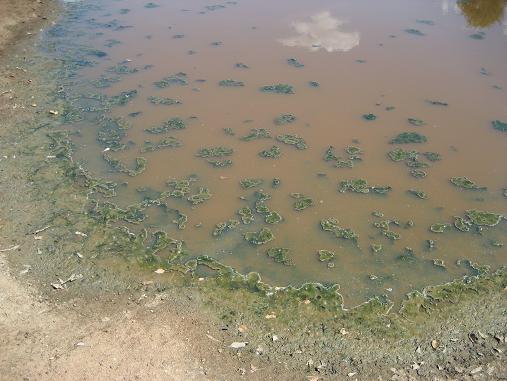
Some other (less toxic) alga is evident in the Native Pasture Paddock dam.


We thought that the second spring on the farm had dried up, but one morning noticed the area surrounded by birdlife. On close inspection it became apparent that the birds were sourcing water from a small hole about 15cm below ground level. Amazing!


Birds
On 16th February 2007 with the help of some visiting friends we saw a Grey Shrike-thrush (Colluricincla harmonica) near Lookout Rock, taking the total species count to 62 so far.
When we compared the Atlas of NSW Wildlife threatened species list against our ‘birds seen on Ochre Arch’ list we discovered that we have at least 7 species that are rated as ‘Vulnerable’ on our farm.

Small Scale Experimentation
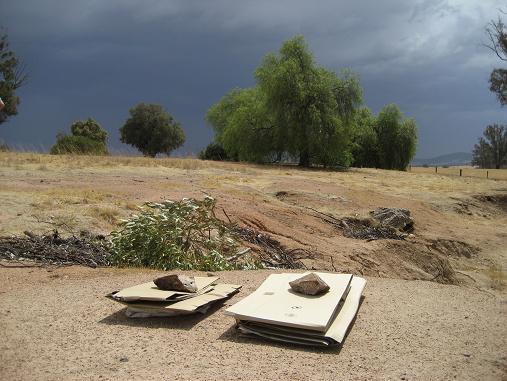
Phillip read somewhere that worms love to eat cardboard. We’ve set up a very simple experiment, placing some cardboard on bare ground to see what happens over time.


In Closing
Once again, feedback is most welcome, via email to pdiprose@optusnet.com.au.

Until next time!

Kind regards… Phillip & Jan Diprose

Link to: Ochre Archives Newsletter No. 3

Ochre Arch Land Monitoring Sites Established

Last week Jan and I established 4 sites on Ochre Arch in paddocks where we will be monitoring progress toward the creation of healthy grassland comprising a mix of primarily native perennial grasses, forbs and legumes.

Abridged History of the District and Ochre Arch (to assist readers in understanding the lead-up to the present land conditions)
We are of the view that the first Aboriginal contact with the area we today call Ochre Arch occurred 31,000 years ago (unproven) and that prior to then there had been no human influence on the property. Our search of local history records reveal that Ochre Arch first came under some form of European influence in 1839 when the grazing property known as “Pinnacle Run” (26,880 acres) was gazetted. The local township of Grenfell was gazetted in 1866. In 1899 what we now call Ochre Arch (953 acres) became part of a 1,587 acre property which was resumed (with 3 other properties) out of “Pinnacle Run”. We assume that this was when the first serious land clearing efforts for cropping commenced as by 1909 it was reported that 200 acres of the 1,587 acres property had been planted to wheat and that more land was being cleared. By 1934 the area of our farm reduced to what it is today. We also assume that cropping and grazing have historically been the two main income generating activities, although it’s feasible that timber from the property may have been a source of revenue when it was originally felled.

Local Climate
The average annual rainfall at Ochre Arch is around 600 mm per annum (slightly less than Grenfell at 626 mm) and records for the area show that the distribution is reasonably even throughout the year, although of course the effectiveness varies greatly with the season. Number of rain days each month peak during the winter months. The environment is ‘tending brittle’ at around 6-6.5 (out of 10).

The mean daily year round maximum temperatures at Grenfell is 22.3 degrees C, and the mean daily minimum is 9.3 degrees C. During the summer months maximum temperatures have been known to be as high as 44 degrees C (January), and fall to as low as -8 degrees C in unusual years during winter.

Land Monitoring Methodology
The monitoring methodology we will be using will be more or less in line with the guidelines set out in the ‘Holistic Management Handbook – Healthy Land, Healthy Profits’ written by Jody Butterfield, Sam Bingham and Allan Savory and published in 2006. You will find a copy of the handbook’s Table of Contents here.

Our intention is to track the condition of the land and ground cover at 3 levels:

1. Above ground condition – essentially tracking the change in the species composition over time.
2. Ground surface condition – primarily percentage ground cover. Many experts argue that this is the most critical lead indicator as the ground surface is very much the ‘gateway’ to all that occurs underneath ground level.
3. Below ground condition – there is a range of simple tests we will carry out, but we are also hoping that recent discussions with Charles Sturt University bear fruit and we have an Honours student or two studying and recording changing in the volume and mix of soil organisms.

Site Photographs and Selection Criteria
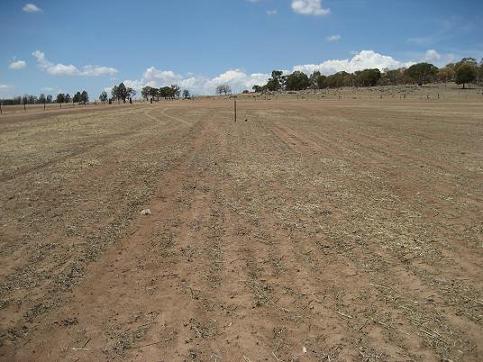
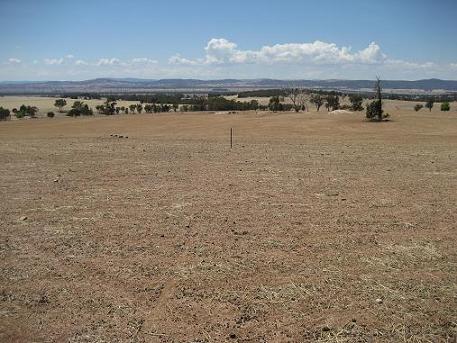
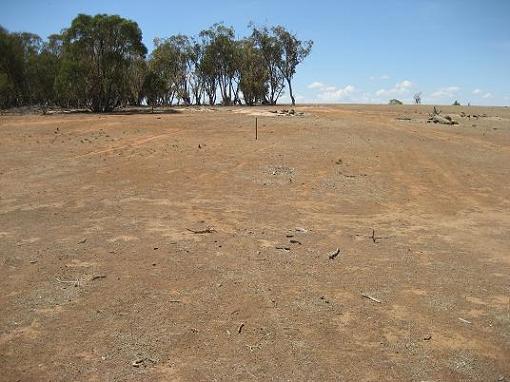
Photographs of each of the sites appear below, together with some of the supporting logic (to us, anyway!) in site selection. Two steel posts 30 metres apart in an east/west direction (so that shadows don’t become a problem when taking photos down the track) mark each of the sites. Each of the photographs was taken over the top of one of the 2 posts and all of them were taken looking in an easterly direction.

Site 1 – Forgotten Paddock
The Forgotten Paddock is located on the western side of Ochre Arch and aeolian (wind blown) soil over granite. The site is near the northern fence-line in this paddock.

We chose this location given the westerly aspect (land slopes gently down from east to west) of the land, ease of access, recent cropping history with application of inorganic fertilisers, and the fact that we are aiming for the creation of healthy pasture in the area.

In 2006 the paddock was sown to oats, with 100 kg /ha of diammonium phosphate (DAP) fertiliser applied. Wheat was also sown in 2005. Ground cover is virtually non-existent, consisting basically of a light amount of straw and some sheep manure.

Site 2 – Contour Paddock
The Contour Paddock is located on the northern side of Ochre Arch and is on aeolian soil. The site is to the south of what we call the Crayfish Dam. We chose this location given the northerly aspect (land slopes down from south to north) of the land, its extremely poor condition due to erosion, coupled with our desire to use a range of natural techniques to rehabilitate the whole area.

The site is within the catchment to the Crayfish Dam - which has always (to our knowledge) had water containing very high clay content. At one stage the land was being farmed (inorganic fertilisers applied) but this is not the case today as the topography is too steep and almost all of the top (and in some cases sub) soil has been washed away. Many locals refer to this type of land a ‘scorched’. In time our goal is to restore this site to healthy pasture, and it may even transpire that the water flow into the dam loses the bulk of the clay content i.e. it becomes pretty much (if not totally) clear.

The Contour Paddock has been in a regular cropping rotation but it is now 2 to 3 years since the paddock was in crop. There is no ground cover on the land in the monitoring site, although there is some sheep manure which we expect will be lost (most likely into the dam) in the event of a heavy downpour.

Site 3 – Plateau Paddock
The Plateau Paddock is located on the eastern side of Ochre Arch and is on granite based geology. The site is just to the east of the highest point in the paddock – a gently sloping convex fully cleared peak. We chose this location given the easterly aspect (land slopes down from west to the east) of the land, ease of access, recent cropping history with application of inorganic fertilisers, it is near the top of a hill making it different to the other sites, and we are aiming for the creation of healthy pasture in the area.

In 2006 the paddock was sown to wheat, with 100 kg /ha of diammonium phosphate (DAP) fertiliser applied. Wheat was also sown in this paddock in 2005. Ground cover is virtually non-existent, consisting basically of a light amount of straw and some sheep manure.

Site 4 – Native Pasture Paddock
The Native Pasture Paddock is located on the southern side of Ochre Arch and is on granite based geology. The paddock was progressively cleared between around 1965 – 1986 and was previously box / gum country. There were one or two attempts to sow cereal crops and non-native pasture species in the early to mid 1980’s but this proved non-viable due to the high incidence of sharp sticks and stump residuals in the soil, leading to several punctured tractor tires.

The site is just to the south of the northern fence-line across a gently sloping depression or gully. Most of the water that will run through this depression from time to time will run off the Plateau Paddock to the north. We chose this location given the southerly aspect (land slopes down from north to south) of the land, it is across a gully giving a different aspect to the other sites, has virtually no cropping history or application of inorganic fertilisers, and the predominant grass species are native to the area. We are aiming to create healthy pasture in the area.

There is very little ground cover on this land, although there are the remnants of some native pasture species coupled with a smattering of dried sheep manure.


Additional Monitoring Sites
We may create another site in one of the two woodland paddocks on Ochre Arch. This is where less grazing will occur and where the bulk of the tree and natural rock shelter areas are. We will be managing these paddocks for both conservation and pasture production and would monitor in accordance with the guidelines set out in the “Grassy Ecosystem Management Kit – A Guide to Developing Conservation Management Plans”. There is a lot of work involved in this type of monitoring, including monitoring wildlife, and we’d be delighted if someone or group was prepared to voluntarily take on the responsibility for us (hint, hint to anyone who has the interest and would be prepared to take on the challenge!).

Timing of the Land Monitoring
Our intention is to carry out the first lot of monitoring at next verdancy – mid spring 2007, and at least annually thereafter. If anyone is interested in voluntarily assisting us in the process we’d love to hear from you! Just send me an email at pdiprose@optusnet.com.au.

Grenfell district at the time (and subsequent) of European settlement
More information on the Grenfell district at the time of European settlement & subsequent is in the following blog: http://ochrearchives.blogspot.com/2007/03/grenfell-district-in-early-european.html

Tuesday, 20 February 2007

Star Post Removal Tip

I recently headed into the local agricultural agents in Grenfell (Hargrave and Sons), ‘took the plunge’ and purchased a star post driver, star post lifter and some star (steel) posts as you will see in the accompanying photo.

What’s fantastic about buying locally at a town like Grenfell is the staff in the local businesses and the range that they sell. The staff are (almost without exception) both friendly and extremely knowledgeable, and they share all manner of hints and tips. The range of goods offered for sale is limited to what’s been proven to be the best over time – reducing the possibility of the items being returned and ensuring an extended usage period. Yes, at times the local goods can be a bit dearer at face value, but over time this is rarely the case when service and convenience are taken into account. I’m reminded of one of my maternal grandfather’s wise sayings “Always buy the best you can afford”.

A great tip given to me when buying the post lifter was what to do if a star post proves unreasonably difficult to remove. Over time under the soil the posts can rust and earth is ‘attached’ to the post in the process. This then makes it very difficult to remove with a lifter. When this occurs one simply hits the post a little further into the ground, which frees the ‘attached' soil from the post making it ready to remove, and use the lifter to do the job in the normal manner.

Friday, 29 December 2006

Natural Correlations with the Sun, Moon and Planets

The book I'm reading at present in called "A Philosophy of Gardening" by Wolf D Storl and is one of the texts recommended by the Biodynamic Agriculture practitioners.
The author points out many scientifically proven correlations related to the sun, moon, and planets (which cause electromagnetic & gravitational disturbances) which I thought were worth detailing on this blogsite. Here goes:
* 12.4 hour lunar impact on tides and oyster reproduction
* Human female conception correlation with each ones lunar phase when born
* Weather, rainfall and barometric pressure with the moon
* The full moon impact on the human psyche - increased crime and aggression, and mental patient reactions.
* 11 year sunspot cycle impact on icebergs off Iceland, good Vintage years for Bordeaux, Indian drought patterns, and shifting flowering dates of some plants
* 8 year precipitation cycle connected with movements of Venus
* 6 - 8 year beech nut harvest - correlated with movements of Jupiter, Mars, & Saturn in various constellations
* Rapidly growing herbaceous plants linked with nearer planets - monocots (whatever they are!) influenced by the Moon & Mercury, dicot herbs (ditto!) with the Moon and the sun
* Biennial shrubs connected with the two-year rhythm of Mars
* Perennial herbs and hardwoods connected with the 12-year cycle of Jupiter
* Most conifers connected to the long enduring (30 year) cycle of Saturn
Pretty weired, eh!

Wednesday, 20 December 2006

Myths of Safe Pesticides

On 9th November 2006 I posted a blog article titled "Are Organic Fruit and Vegetables Better for You?" At the time I also sent an email to Andre Leu, the current Chairperson of The Organic Federation of Australia, inviting him to provide me with his thoughts on this matter. He has today kindly sent me soft copies of 2 papers he was involved in drafting. The first is titled "The Benefits of Organic Food" and the second "The Myths of Safe Pesticides". Both are quite detailed and very informative, so I've decided to post their contents as 2 separate blogs. The first one has already been posted ... and here is the second ....

"The Myths of Safe Pesticides"
Andre Leu, Chair – Organic Federation of Australia

Conventional farming is dependent on synthetic biocides (pesticides, fungicides and herbicides). These poisons are used in food production to kill pests, diseases and weeds.

There are more than 7200 registered biocide products used in Australian agriculture.(1) This is similar in the USA and Europe. We are assured by our regulatory authorities that these poisons have been rigorously tested and that they are used safely on our foods and in our environment.


1. The Residue Myth
One of the major mythologies is the belief that most modern agricultural chemicals leave few residues. We are mislead into believing that they breakdown and do not persist in our food.

A typical claim states:“… Organophosphorous pesticides, carbamate pesticides are mostly biodegradable, and therefore do not concentrate in the food chain. Synthetic pyrethroids … are generally biodegradable and therefore tend not to persist in the environment.” (2)

These types of statements give the false impression that few agricultural pesticides persist in our food and environment.

1. Most agricultural and veterinary chemicals leave residues in food. That is the reason why residue tolerances called the Average Daily Intake (ADI) are set for these poisons.

The following are some of the poisons found in Australian foods in 2003: Acephate, Azinphos-methyl, Bifenthrin, Bioresmethrin, Captan, Carbaryl, Chlorfenvinphos, Chlorothalonil, Chlorpyrifos, Chlorpyrifos-methyl, DDT, DDE, Dimethoate, Diphenylamine, Endosulfan, Fenitrothion, Fenoxycarb, Fenthion, Iprodione, Maldison, Metalaxyl, Methamidophos, Methidathion, Methoprene, o-phenylphenol, Parathion-methyl, Permethrin, Piperonyl butoxide, Pirimicarb, Pirimiphos-methyl, Procymidone, Propargite, Propiconazole, Pyrimethanil, Tebufenpyrad, Tetradifon, Vinclozolin 2

The testing in Australia only looked at a small sample of the large number of chemicals used. The majority of agricultural chemicals are not included in residue testing. Some of the most widely used chemicals, including herbicides such as Atrazine, Glyphosate, 2,4-D, Diuron and Paraquat were not included in the testing.

2. Many of the current chemicals, including some of the Synthetic Pyrethroids, Organophosphates, Carbamates and Herbicides are as residual as banned Organochlorines such as Dieldrin, DDT, Chlordane, Heptachlor, Lindane and Aldrin.

2. The Breakdown Myth
One of the biggest myths is the assumption that once a chemical degrades it disappears and is harmless. Most agricultural poisons leave residues of breakdown chemicals when they degrade.(3,4)

1. A substantial number of agricultural pesticides such as organophosphates like Diazinon become even more toxic when they breakdown.

2. Where there is research, it shows that many of the breakdown chemicals from agricultural poisons cause health and reproductive problems.

3. There is virtually no testing to detect the residues of the breakdown chemicals of agricultural poisons in our food.

4. Very little research has been done to determine safe intake levels for the breakdown chemicals of agricultural poisons. Consequently there are virtually no safety levels to determine the Average Daily Intake (ADI) for the toxic breakdown chemicals that contaminate our food.


3. The Rigorously Tested Myth
One of the greatest myths is that all agricultural poisons are scientifically tested to ensure that they are used safely.

A: registered agricultural and veterinary products
The majority of agricultural poisons are mixtures composed of one or more chemicals that are defined as the active ingredient(s) and are mixed with other mostly toxic products, such as solvents or surfactants that are defined as “inerts”.

Only the active ingredient is individually tested to determine a safety level for the Average Daily Intake (ADI). The actual registered product, which is the mixture of chemicals used by farmers, is not tested for long term problems such as cancers, hormone disruption, birth defects, nervous system damage and immune system damage.

An example of this is Roundup, which is a mixture of the active ingredient Glyphosate, solvents and surfactants. Testing shows that this product is more toxic than the active ingredient Glyphosate. In fact Glyphosate barely works as a herbicide without the addition of these toxic so called ‘inert’ chemicals. (20)

The vast majority of the more than 7200 registered agricultural and veterinary products used in the production of Australian foods have no testing for health and reproductive problems. This is the same in most other countries. This means that there is no scientific data to determine a safety level for the actual products used on our food.

B: Chemical Cocktails in food and water
The other important issue is that several different toxic chemical products are applied in the production of most foods. These can be a combination of herbicide products, pesticide products, fungicide products and some of the synthetic fertilizer compounds.

Most foods have a cocktail of small amounts of these toxic chemicals and these are absorbed when we eat or drink them. A study by the U.S. Center for Disease Control found a cocktail of many toxic chemicals in the blood and urine of most Americans that they tested. (3,4, 5)

Regulatory authorities assume that because each of the active ingredients is below the ADI that the cocktail is also safe. They do not test for the safety of these combinations of chemicals – the chemical cocktails that we ingest everyday. Recent studies raise serious concerns. The emerging body of science demonstrates that many chemical cocktails act synergistically. This means that instead of 1+1= 2, the extra effect of the mixtures can mean 1+1= 60 or even 1000 in toxicity.

A study in the journal Toxicology and Industrial Health showed that combinations of low doses of commonly used agricultural chemicals can significantly effect health.

In the experiments conducted by Warren Porter et al at the University of Wisconsin-Madison, mice were given drinking water with combinations of pesticide, herbicide and nitrate, at concentrations currently found in groundwater in the USA. They exhibited altered immune, endocrine (hormone) and nervous system functions. The effects were most noticeable when single a herbicide (Atrazine) was combined with nitrate fertilizer. (6)

Atrazine is widely used in many agricultural industries including sugar cane and grain production. Atrazine is also one of the most persistent herbicides that pollutes much of the drinking water in the Midwestern USA, in parts of Europe and Australia. It is measurable in corn, milk, beef and other foods in the USA and Europe.

Porter’s studies show that the influence of pesticide, herbicide and fertilizer mixtures on the endocrine system may also result in changes in the immune system and affect fetal brain development. Of particular concern was thyroid disruption in humans. This has multiple consequences including effects on brain development, level of irritability, sensitivity to stimuli, ability or motivation to learn and an altered immune function.

A later experiment by Porter and colleagues found that very low levels of a mixture of the common herbicides 2,4-D, Mecoprop, Dicamba and inert ingredients caused a decrease in the number embryos and lives births in mice at all doses tested. Very significantly the data showed that low and very low doses caused these problems. (7)

4: The Very Small Amount Myth - ‘The residues are too low to cause any problems’
The current model of toxicology (science of poisons) works on the notion that the lower the dose the less the effect of the poison. When animal testing shows that a certain dose level of poison causes no observable ill effects, this dose becomes the basis that is used to determine the Average Daily Intake (ADI). Authorities then claim that any residue levels below the ADI are too low to cause health problems.

Research shows that the toxicology used by our authorities is inadequate in determining the safety of chemical compounds. (3,4)

A significant numbers of studies show that compounds that are considered to have very little toxicity in parts per million (ppm) have a range of adverse effects in parts per billion (ppb). These compounds disrupt our hormone systems at levels 1000 times lower than previous research stated was safe. Agricultural chemicals have been shown to mimic hormones such as estrogen, block the receptors for the hormones or actively negate the effect of hormones. These chemicals have been implicated in lower sperm counts, increases in breast, uterine, testicular and prostate cancers and deformities in the genital-urinary tracts. (4)

An example of this is Atrazine – one of the worlds most commonly used herbicides. Two peer reviewed studies conducted by Tyrone Hayes shows that levels 1000 times lower than currently permitted in our food causes severe reproductive deformities in frogs. (8,9)

Sara Storrs and Joseph Kiesecker of Pennsylvania State University recently confirmed Hayes’ research. They exposed tadpoles of four species of frogs to Atrazine. ‘Survival was significantly lower for all animals exposed to 3 ppb compared with either 30 or 100 ppb… These survival patterns highlight the importance of investigating the impacts of contaminants with realistic exposures and at various developmental stages.’ (10)

5. The Regulatory Authorities Myth
The greatest myth is that government regulatory authorities ensure that agricultural poisons are used safely and that there are no adverse health or environmental problems from these chemicals.

History shows that there has been a consistent failure of regulatory authorities to prevent the contamination of the environment and human health by products previously said to be safe such as Asbestos, Lead, Mercury, Dioxins, PCBs, DDT, Dieldrin and other Persistent Organic Pollutants. These products were not (and are still not in many cases) withdrawn until decades after good scientific evidence was presented to demonstrate that they are harmful.

Regulatory authorities around the world seem to be ignoring a large body of published science showing that the current methods of determining the safety of the agricultural poisons are grossly inadequate.

A: Environmental Fate
Pesticides do not just pollute our food; they poison our drinking water and air.
Research in Switzerland has demonstrated that some of the rain falling on Europe contains such high levels of pesticides that this rainwater would be illegal if it were supplied as drinking water.(11) Rain over Europe is laced with atrazine, alochlor, 2,4-D and other common agricultural chemicals sprayed onto crops. A 1999 study of rainfall in Greece found one or more pesticides in 90% of 205 samples taken. Atrazine was measurable in 30% of the samples.(12)

Atrazine interferes with the hormone systems.(8) It causes tumors of the mammary glands, uterus, and ovaries in animals.(13) Studies suggest that it is one of a number of agricultural chemicals that cause cancer in humans.(14, 15)

European regulatory authorities have decided that Atrazine will be banned in 2006 because of the recent science showing widespread contamination at levels that cause serious health problems. Authorities around the world including the USA and Australia have decided to ignore the overwhelming body of science about the adverse effects of this chemical.

B: Epidemiology and Scientific Testing
Most of the biocides used in farming are synthetic chemicals that have never existed before. Scientists are finding that they are having serious unintended consequences on the environment and human health. There is an abundance of published scientific research linking commonly used pesticides such as Malathion, Diazinon, Chlorpyrifos and other organophosphates as well as the carbamates, synthetic pyrethroids and herbicides to disruptions the hormone, nervous and immune systems. They are linked to cancers such as pancreatic, colon, lymphoma, leukemia, breast, uterine and prostate. Scientific research also links these chemicals to autoimmune diseases such as asthma, arthritis and chronic fatigue syndrome. (3,4,16,17,18, 19, 20, 21, 22, 23,24)

This article is not intended to detail them all as it would be thousands of pages long. A few examples have been selected using two of the most common so-called ‘safe’ herbicides.

A case-controlled study published in March 1999 by Swedish scientists Lennart Hardell and Mikael Eriksson showed that non-Hodgkin's lymphoma (NHL) is linked to exposure of a range of pesticides and herbicides.(17) Hardell and Eriksson published an earlier study linking phenoxy herbicides to non-Hodgkin's lymphoma (NHL) in 1981. These are widely used herbicides such as 2,4-D – part of the infamous Agent Orange.

Prior to the 1940’s non-Hodgkin's lymphoma was one of the world’s rarest cancer. Now it is one of the most common. Between 1973 and 1991, the incidence of non-Hodgkin's lymphoma increased at the rate of 3.3% per year in the U.S., making it the third fastest-growing cancer.(18) In Sweden, the incidence of NHL has increased at the rate of 3.6% per year in men and 2.9% per year in women since 1958.

One of the biocides linked to NHL by the Hardell study is Glyphosate. A previous study in 1998 implicated Glyphosate to hairy cell leukemia.(19) Several animal studies have shown that Glyphosate can cause gene mutations and chromosomal aberrations.(20) Denmark banned Glyphosate on September 15th 2003 because it was so persistent that it polluted most of the water table.

The response of many regulatory authorities is to ensure that use of Glyphosate is increased substantially around the world with the approval of "Roundup Ready" genetically modified crops.

C: Children and the Unborn
The greatest concern about these pesticides in our food and water is for the unborn and children. The 20th Australian Total Diet Survey found pesticide residues in infant food. The regulatory authorities ignored the data by stating “These results confirm that although infant foods contain pesticide residues, these are at very low levels.”

The fact is that children have the greatest exposure in terms of the amount of biocides they absorb in proportion to their size. According to the 20th Australian Total Diet Survey. “In general, the dietary exposure to pesticide residues was highest for the toddler age group. This is due to the high food consumption relative to body weight.”(2)

However because this dietary exposure is below the ADI, many regulatory authorities continue with the belief that this exposure does not cause any problems.

The research by Porter et al at the University of Wisconsin-Madison showed that children and the developing fetus are at risk from common agricultural chemical mixtures found at levels below those that the authorities regard as safe. The studies shows that the influence of these low dose mixtures on developing neurological, endocrine and immune systems can cause changes in the ability to learn and in behavioral patterns of aggression. (6,7)

Research conducted independently by Hayes et al and Storrs et al showed that exposure to amounts more than 1000 times lower than previously regarded as safe caused serious health and developmental problems to the fetus and juveniles. (8,9,10)

Dan Qiao et al of the Department of Pharmacology and Cancer Biology, Duke University Medical Center found that the developing fetus and the newborn are particularly vulnerable to amounts of pesticide far lower than currently permitted by most regulatory authorities around the world. Their studies show that the fetus and the newborn possess lower concentrations of the protective serum proteins than are found in adults. (25) A major consequence is developmental neurotoxicity. This is where the poison damages the developing nervous system of the unborn and children. (16,21, 25)

The scientists stated: “These results indicate that chlorpyrifos and other organophosphates such as diazinon have immediate, direct effects on neural cell replication... In light of the protective effect of serum proteins, the fact that the fetus and newborn possess lower concentrations of these proteins suggests that greater neurotoxic effects may occur at blood levels of chlorpyrifos that are nontoxic to adults.” (25)

Apart from Europe banning Atrazine and Denmark banning Glyphosate, regulatory authorities have made no effort to remove toxic chemicals from food. They continue to perpetuate the myths of safety.

Avoiding Pesticides and other Biocides
It is time to dispense with the myths that food from conventional farming is safe to eat. The lack of rigorous testing and the blatant disregard of current science confirm that there is a lack of credible science to back claims that the poison residues in food are safe to consume.

The only way to avoid these poisons is to eat certified organically grown food as it is produced without these toxic compounds.

A detailed scientific analysis of organic fruits and vegetables in the USA, published in the peer-reviewed journal Food Additives and Contaminants, showed that organic foods have significantly less pesticide residues than conventionally grown foods. (26)

A similar study in Australia by Ruth McGowan for the Victorian Department of Primary Industries conducted 14000 tests on 300 hundred samples of certified organic produce. The study concluded that: “The results demonstrate that Victorian organic produce is virtually ‘chemical free’.” (27)

Both of these studies showed that vast majority of organic foods have no residues. Where residues were found these were due to the widespread contamination caused by several pesticides used in conventional farming. Even then, these residues were substantially lower in organic foods than in conventionally produced food.

Most importantly scientific studies are beginning to show that eating organic food results in lower levels of these pervasive chemicals in humans, particularly children.

A study published in the peer reviewed journal, Environmental Health Perspectives, found that children who eat organic foods have lower levels of one class of agricultural pesticides in their bodies. The University of Washington researchers who conducted the study concluded ‘The dose estimates suggest that consumption of organic fruits, vegetables, and juice can reduce children's exposure levels from above to below the U.S. Environmental Protection Agency's current guidelines, thereby shifting exposures from a range of uncertain risk to a range of negligible risk. Consumption of organic produce appears to provide a relatively simple way for parents to reduce their children's exposure to OP [organophosphate] pesticides.’ (28)


References

1 Infopest (2004). Queensland Department of Primary Industries and Fisheries.

2 20th Australian Total Diet Survey. (2003) Food Standards Australia and New Zealand (FSANZ)

3 Short K. (1994), Quick Poison, Slow Poison, 1994, ISBN 0 85881 127 8

4 Colborn T, Dumanoski D. and Myers J. P., (1996) Our Stolen Future, www.OurStolenFuture.org, March 1996

5 Higgins Margo, Toxins are in most Americans' blood, study finds, Environmental News Network, Monday, March 26, 2001

6 Porter W, et al. (1999), "Endocrine, immune and behavioral effects of aldicarb (carbamate), atrazine (triazine) and nitrate (fertilizer) mixtures at groundwater concentrations," Toxicology and Industrial Health (1999) 15, 133-150.

7 Cavieres M, Jaeger J, and Porter W, Developmental Toxicity of a Commercial Herbicide Mixture in Mice: I. Effects on Embryo Implantation and Litter Size, Environmental Health Perspectives Volume 110, Number 11, November 2002

8 Hayes, T.B., et al. (2002). "Hermaphroditic, demasculinized frogs after exposure to the herbicide atrazine at low ecologically relevant doses." Proceedings of the National Academy of Sciences, Vol. 99:5476-5480, April 16, 2002,

9 Hayes, T.B., et al. (2003), Atrazine-Induced Hermaphroditism at 0.1 ppb in American Leopard Frogs (Rana pipiens): Laboratory and Field Evidence Environmental Health Perspectives Volume 111, Number 4, April 2003

10 Storrs, Sara I. and Kiesecker, Joseph M. (2004), Survivorship Patterns of Larval Amphibians Exposed to Low Concentrations of Atrazine, Environmental Health Perspectives 112: No10.1054-1057 (2004).

11 Pearce F and Mackenzie D, "It's raining pesticides; The water falling from our skies is unfit to drink," NEW SCIENTIST April 3, 1999, pg. 23.

12 Charizopoulos E. and Papadopoulou-Mourkidou E. (1999), "Occurrence of Pesticides in Rain of the Axios River Basin, Greece," ENVIRONMENTAL SCIENCE & TECHNOLOGY [ES&T] Vol. 33, No. 14 (July 15, 1999), pgs. 2363-2368.

13 UNITED STATES ENVIRONMENTAL PROTECTION AGENCY REVISED HUMAN HEALTH RISK ASSESSMENT Atrazine April 16, 2002 Reregistration Branch 3 Health Effects Division Office of Pesticide Programs

14 Mills P et al, Cancer Incidence in the United Farmworkers of America (UFW) 1987-1997, 2001, American Journal of Industrial Medicine, 40: 596-603, 2002

15 International Agency for Research on Cancer "Overall Evaluations of Carcinogenicity to Humans 6-Chloro-N-ethyl-N¢-(1-methylethyl)-1,3,5-triazine-2,4-diamine" VOL.: 73 (1999) (p. 59)

16 Aldridge J, Seidler F, Meyer A, Thillai I, and Slotkin1 T, Serotonergic Systems Targeted by Developmental Exposure to Chlorpyrifos: Effects during Different Critical Periods, Environmental Health Perspectives Volume 111, Number 14, November 2003

17 Hardell L. and Eriksson M. (1999), "A Case-Control Study of Non-Hodgkin Lymphoma and exposure to Pesticides," CANCER Vol.85, No. 6 (March 15, 1999), pgs. 1353-1360.

18 Harras A.et al, editors, (1996), CANCER RATES AND RISKS 4TH EDITION, NIH Publication No. 96-691, National Cancer Institute, Bethesda, Maryland, 1996, pg.17.

19 Nordstrom M. et al, (1998), "Occupational exposures, animal exposure, and smoking as risk factors for hairy cell leukaemia evaluated in a case-control study," BRITISH JOURNAL OF CANCER Vol. 77 (1998), pgs. 2048-2052.

20 Cox Caroline, Glyphosate (Roundup) JOURNAL OF PESTICIDE REFORM, Fall 1998, Vol.18, No. 3 Updated 01-02, Northwest Coalition Against Pesticides, Eugene, Oregon.


21 Buznikov G A, et al (2001), An Invertebrate Model of the Developmental Neurotoxicity of Insecticides: Effects of Chlorpyrifos and Dieldrin in Sea Urchin Embryos and Larvae, Environmental Health Perspectives Volume 109, Number 7, July 2001.

22 Cabello G, et al, (2001), A Rat Mammary Tumor Model Induced by the
Organophosphorous Pesticides Parathion and Malathion, Possibly through Acetylcholinesterase Inhibition, Environmental Health Perspectives Volume 109, Number 5, May 2001

23 Garry V F, et al, (2001), Biomarker Correlations of Urinary 2,4-D Levels in
Foresters: Genomic Instability and Endocrine Disruption, Environmental Health Perspectives Volume 109, Number 5, May 2001.

24 Steingraber S (1997), LIVING DOWNSTREAM; AN ECOLOGIST LOOKS AT CANCER AND THE ENVIRONMENT, New York: Addison-Wesley, 1997.

25 Qiao D, Seidler F, and Slotkin T, (2001) Developmental Neurotoxicity of Chlorpyrifos Modeled in Vitro: Comparative Effects of Metabolites and Other Cholinesterase Inhibitors on DNA Synthesis in PC12 and C6 Cells, Environmental Health Perspectives Volume 109, Number 9, September 2001

26 Baker B, Benbrook C.M, Groth III E, and Lutz Benbrook. K. (2002), Pesticide residues in conventional, IPM-grown and organic foods: Insights from three U.S. data sets, Published in: Food Additives and Contaminants, Volume 19, No. 5, May 2002, pages 427-446.

27 McGowan Ruth, (2003),“Government test prove…”: Results of Victorian Government chemical residue survey substantiates ‘clean’ claims for organic produce. Published in the proceedings of the Organic Futures for Australia, 2nd National Organic Conference, Adelaide 2-3 2003. Organic Federation of Australia 2003.

28 Curl, C. L, Fenske F.A, Elgethun K, Organophosphorus Pesticide Exposure of Urban and Suburban Preschool Children with Organic and Conventional Diets, Environmental Health Perspectives Volume 111, Number 3, March 2003

The Benefits of Organic Food

On 9th November 2006 I posted a blog article titled "Are Organic Fruit and Vegetables Better for You?" At the time I also sent an email to Andre Leu, the current Chairperson of The Organic Federation of Australia, inviting him to provide me with his thoughts on this matter. He has today kindly sent me soft copies of 2 papers he was involved in drafting. The first is titled "The Benefits of Organic Food" and the second "The Myths of Safe Pesticides". Both are quite detailed and very informative, so I've decided to post their contents as 2 separate blogs. Here is the first one ....

"The Benefits of Organic Food"
Andre Leu

Introduction
Many people purchase organic food because they believe it is healthier than conventionally grown food. The organic industry is constantly told that there is no evidence to support these claims. This article looks at published information that shows that organic food is substantially healthier than conventional food.

Nutrition
Research published in 2001 showed that conventionally grown fruit and vegetables in the USA have about half the vitamin content of their counterparts in 1963. This study was based on comparing published US Department of Agriculture figures.

A scientific study published in the Journal of Applied Nutrition in 1993 clearly showed that organic food is more nutritious than conventional food. Organically and conventionally grown apples, potatoes, pears, wheat, and sweet corn were purchased in the western suburbs of Chicago, over two years, and analysed for mineral content. The organically grown food averaged 63% higher in calcium, 73% higher in iron, 118% higher in magnesium, 178% higher in molybdenum, 91% higher in phosphorus, 125% higher in potassium and 60% higher in zinc. The organic food averaged 29% lower in mercury than the conventionally raised food.

A recently publish review of scientific research by Charles Benbrook, Ph.D. reveals that on average organic foods contain about one-third higher in antioxidants than comparable conventional produce.

These phyto-nutrients have been shown to have major roles in preventing and reversing diseases such as heart disease and arterial diseases. They are important for preventing and reducing inflammatory and auto-immune diseases such as asthma and arthritis. Most significantly they are shown to have anti cancer and other protective properties for our health and well being.

A study by the Danish Institute of Agricultural Research and the University of Newcastle's showed that cows raised on an organic diet produce milk with 50% more Vitamin E and 75% more beta carotene than conventionally farmed cows. The organic milk has two to three times more zeaxanthine and lutein, which are powerful antioxidants. Higher levels of omega 3 essential fatty acids, that provide protection from heart and other diseases, are also found in organic milk.

A scientific article published in the Journal of Agricultural and Food Chemistry stated that organically grown corn, strawberries and marionberries have significantly higher levels of cancer fighting antioxidants than conventionally grown foods.

The European Journal of Nutrition published a study by Dr John Paterson from the University of Strathclyde, UK. The study found that organic vegetable soups contain almost six times as much salicylic acid as non-organic vegetable soups. Salicylic acid is produced naturally in plants as a protective compound against stress and disease. It is responsible for the anti-inflammatory action of aspirin, and helps combat hardening of the arteries, heart disease and bowel cancer.

Two comprehensive studies have been published that compared the differences between organic and conventional foods. Both studies analyzed around 40 previously published studies, each independently of the other. One study was conducted in the UK by nutritionist Shane Heaton and the other in the USA by Virginia Worthington as a peer reviewed university graduate thesis. Both studies came up with similar conclusions showing that there is overwhelming evidence that organic food is more nutritious than conventional food. Heaton stated: ‘On average our research found higher vitamin C, higher mineral levels and higher phytonutrients – plant compounds which can be effective against cancer.’

Pathogens
In the past there have been a number of media stories claiming that organic foods contain higher levels of dangerous pathogens. All of these stories were proved to be false and most of the media presenters apologised publicly for promoting inaccurate and misleading stories.

It is a requirement of organic certification systems that animal manures are composted, or that two non-food rotations are grown on a manured site before it can be used for crops. A United Nations Food and Agriculture Organisation (FAO) report concluded that the superior management practices of organic agriculture reduce E. coli and mycotoxin infections in food.

Food Additives
The use of antibiotics, anti-microbials, hormones and other growth promotants are prohibited in organic production. Where animals are treated with veterinary chemicals, they are not allowed to be sold as organic. Similarly the use of synthetic chemicals as preservatives, colourings, antioxidants etc are prohibited in the processing of organic foods. There is an increasing body of concern about these synthetic compounds in the diets of humans and animals used for human food.

Chemical Residues
Many studies show that most conventionally farmed foods have pesticide and other chemical residues. Repeated tests show that many of these foods can carry a cocktail of synthetic poisons.

A study by the U.S. Centers for Disease Control found a cocktail of many toxic chemicals in the blood and urine of most Americans that they tested. Studies show that most living organisms carry a cocktail of synthetic man made chemicals.

A growing body of science is showing that repeated exposures, to cocktails of minute amounts of synthetic chemicals, have a range of adverse health effects. A recently published study shows that as little a one tenth of a part per billion of a common herbicide can damage reproductive systems.

Peer reviewed published research has demonstrated that many of these types of chemicals are known to disrupt the hormone, nervous and immune systems. The escalating increase of certain types of cancers such as lymphoma, leukemia, breast, uterine and prostate cancers are linked to agricultural and other synthetic chemicals. Similarly, a good body of scientific research also links these chemicals to the dramatic increases in auto-immune diseases such as asthma and chronic fatigue syndrome. Cancers such as Non Hodgkin’s lymphoma have gone from being one of the rarest cancers to one of the fastest growing cancers amongst people exposed to agricultural chemicals.

Several studies analyzing organic foods showed that they have significantly less pesticide residues than conventionally grown foods. Most importantly scientific studies are beginning to show that that eating organic food results in lower levels of these pervasive chemicals in humans.

A study published in Environmental Health Perspectives found that children who eat organic foods have lower levels of pesticides in their bodies. The University of Washington researchers who conducted the study concluded ‘The dose estimates suggest that consumption of organic fruits, vegetables, and juice can reduce children's exposure levels from above to below the U.S. Environmental Protection Agency's current guidelines, thereby shifting exposures from a range of uncertain risk to a range of negligible risk. Consumption of organic produce appears to provide a relatively simple way for parents to reduce their children's exposure...’

Conclusion
The United Nations FAO states the case very succinctly. ‘It has been demonstrated that organically produced foods have lower levels of pesticide and veterinary drug residues and, in many cases, lower nitrate contents. Animal feeding practices followed in organic livestock production, also lead to a reduction in contamination of food products of animal origin.’

The facts show that organic foods have significant health benefits because of higher nutritional values. They excel in the antioxidants that prevent heart disease, cancers, anti-inflammatory and auto-immune diseases.

References:
Baker B, Benbrook C.M, Groth III E, and Lutz Benbrook. K. (2002), Pesticide residues in conventional, IPM-grown and organic foods: Insights from three U.S. data sets, Published in: Food Additives and Contaminants, Volume 19, No. 5, May 2002, pages 427-446.

Buznikov G A, et al (2001), An Invertebrate Model of the Developmental Neurotoxicity of Insecticides: Effects of Chlorpyrifos and Dieldrin in Sea Urchin Embryos and Larvae, Environmental Health Perspectives Volume 109, Number 7, July 2001.

Cabello G, et al (2001), A Rat Mammary Tumor Model Induced by the
Organophosphorous Pesticides Parathion and Malathion, Possibly through Acetylcholinesterase Inhibition, Environmental Health Perspectives Volume 109, Number 5, May 2001

Charizopoulos E. and Papadopoulou-Mourkidou E. (1999), "Occurrence of Pesticides in Rain of the Axios River Basin, Greece," ENVIRONMENTAL SCIENCE & TECHNOLOGY [ES&T] Vol. 33, No. 14 (July 15, 1999), pgs. 2363-2368.

Colborn T., Dumanoski D. and Myers J. P., (1996) Our Stolen Future, www.OurStolenFuture.org, March 1996

Curl, C. L, Fenske F.A, Elgethun K, Organophosphorus Pesticide Exposure of Urban and Suburban Preschool Children with Organic and Conventional Diets, Environmental Health Perspectives Volume 111, Number 3, March 2003

Faloon W. (2001) Vegetables Without Vitamins, Life Extension Magazine, Florida March 2001

FAO (2000) Twenty Second FAO Regional Conference for Europe, Porto, Portugal, 24-28 July 2000 Agenda Item 10.1, FOOD SAFETY AND QUALITY AS AFFECTED BY ORGANIC FARMING

Garry V F, et al, (2001), Biomarker Correlations of Urinary 2,4-D Levels in
Foresters: Genomic Instability and Endocrine Disruption, Environmental Health Perspectives Volume 109, Number 5, May 2001.

Hardell L. and Eriksson M. (1999), "A Case-Control Study of Non-Hodgkin Lymphoma and exposure to Pesticides," CANCER Vol.85, No. 6 (March 15, 1999), pgs. 1353-1360.

Harras A.et al, editors, (1996), CANCER RATES AND RISKS 4TH EDITION, NIH Publication No. 96-691, National Cancer Institute, Bethesda, Maryland, 1996, pg.17.

Hayes, T.B., et al. (2002). "Hermaphroditic, demasculinized frogs after exposure to the herbicide atrazine at low ecologically relevant doses." Proceedings of the National Academy of Sciences, Vol. 99:5476-5480, April 16, 2002,

Hayes, T.B., et al. (2003), Atrazine-Induced Hermaphroditism at 0.1 ppb in American Leopard Frogs (Rana pipiens): Laboratory and Field Evidence Environmental Health Perspectives Volume 111, Number 4, April 2003

Heaton, S (2001), Organic Farming, Food Quality and Human Health, Soil Association, Bristol House, 40-56 Victoria Street, Bristol, BS1 6BY, United Kingdom
Journal of Applied Nutrition (1993); 45:35-39. Organic Food is More Nutritious Than Conventional Food
Journal of Agricultural and Food Chemistry, (2003) February 2003

Nordstrom M. et al, (1998), "Occupational exposures, animal exposure, and smoking as risk factors for hairy cell leukaemia evaluated in a case-control study," BRITISH JOURNAL OF CANCER Vol. 77 (1998), pgs. 2048-2052.

Paterson, J (2002) European Journal of Nutrition (vol. 40, p 289)

Pearce F. and Mackenzie D, (1999), "It's raining pesticides; The water falling from our skies is unfit to drink," NEW SCIENTIST April 3, 1999, pg. 23.

Porter W, et al. (1999), "Endocrine, immune and behavioral effects of aldicarb (carbamate), atrazine (triazine) and nitrate (fertilizer) mixtures at groundwater concentrations," Toxicology and Industrial Health (1999) 15, 133-150.

Short K. (1994), Quick Poison, Slow Poison, 1994, ISBN 0 85881 127 8
Steingraber S (1997), LIVING DOWNSTREAM; AN ECOLOGIST LOOKS AT CANCER AND THE ENVIRONMENT, New York: Addison-Wesley, 1997.

Worthington, V (2001) ‘Nutritional Quality of Organic Versus Conventional
Fruits, Vegetables, and Grains’ THE JOURNAL OF ALTERNATIVE AND COMPLEMENTARY MEDICINE Volume 7, Number 2, 2001, pp. 161–173"

Tuesday, 12 December 2006

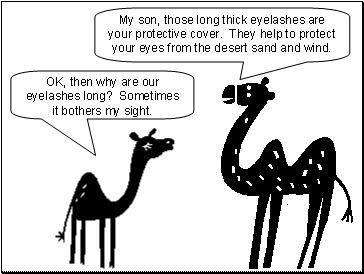
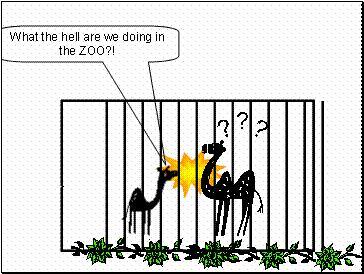
Adapting to the Environment

Chris Henggeler from Kachana recently sent an email to a group of us who are working on a project aimed at accelerating the adoption of regenerative land management in Australia. Attached to his email were the following series of images that I thought were worth sharing more widely. Unfortunately we do not know the name of the names of the people who developed the concepts and artwork.


.... and the moral of the story is:

Fire & Drought Impact At Ochre Arch

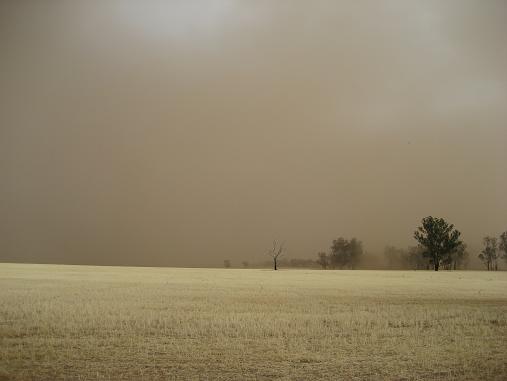
Last week Jan and I were staying on Ochre Arch, and the effects of both the current drought and fires were very evident. There was a storm which provided some brief relief through 5 mm of rain however this event was immediately preceded by extreme winds that stirred up a dust storm – evident in the accompanying picture.
Given that our farm is located over 530 km from Melbourne and 300 km from Sydney ‘as the crow flies’ and that the prevailing weather patterns are from the north west it would be reasonable to assume we would not be impacted by the remnants of fires in Victoria or the Blue Mountains to the west of Sydney. The reality is quite different. On the first day we were on the farm there’d been easterly winds leaving us in the midst of smoke from the east. Several days later the winds were from the south and south east, bathing us in smoke from the fires in Victoria. The attached image shows just how thick this smoke was, creating what to some might appear impressive sunset affects

Friday, 1 December 2006

What Plants Can Tell Us about the Soil

It is quite widely accepted that the most appropriate plants will germinate and grow naturally in the soil to match the full range of conditions (soil health, mineral content & organic matter, ground cover, climate, aspect, parent body material etc.) that apply at that particular point in time.

Last week Pauline Roberts and John Polglase and from Divstrat Pty Limited were visiting Ochre Arch to help us try and locate some bore sites to drill for underground water. John is currently studying geology and commented at one point that the greatest emerging threat to soil health is acidity, driven in part to the application of some chemical (inorganic) fertilisers.

It’s curious how things can ‘connect’ closely together at times. I’m presently reading the book titled “Culture and Horticulture: A Philosophy of Gardening” by Wolf D Storl ISBN 0-938250-01-9 and came across the following text, strongly reinforcing John’s comments:

Acidity or Alkalinity (Percentage Base Saturation, pH)), or sweetness or sourness of the soil is indicated by the pH scale ranging from 1 to 14. Soils range from very acid soils of about a pH of 4, which is about the acidity of tomatoes, beer, or grass silage, to a pH of 8, which is about as alkaline as sea water or eggs. Most plants prefer to grow in earth that has a pH of 6 or 7. Humus buffers the soil between 6 and 7. Wet soils are usually sour; they have low base saturation because the bases (Ca, Mg, Na, K, etc.) usually leach out in the rain, leaving an excess number of hydrogen ions that are the indicator of acidity. Sandy soils, peat-moss formations and the podsols of northern, wet climates furnish examples of this happening. In dry climates, as in southern California, the opposite happens – alkalinity increases and salts are deposited on the surface of the soils. Before indicator tests for pH came about, farmers could tell by looking at the weeds whether a soil was sweet or sour. The presence of sorrel, sour dock, buttercups, tussocks, hawkweeds, horsetails, knotweeds, cinquefoil and daisies indicates an acid soil; whereas alfalfa, sweet clover, burdock, coltsfoot, chamomile, and others indicate a sweet soil.

The application of chemical fertiliser tends to acidify the soils so that the addition of large quantities of lime is concomitant with their use. Humus derived from careful composting, on the other hand, has such a buffering effect that the organic gardener does not have to worry about the pH at all. Humus and microorganisms buffer the soil by letting excess H ions go when the soil is too acid, and letting Ca ions go when the soil is too base. If … the gardener wishes to increase the pH he can sweeten the soil by the addition by the addition of ground limestone or dolomite; or he can make the soil more acid by adding pine needle mulch, coffee grounds, oak leaf mulch, cotton seed meal etc.”

The book goes on a bit later to say ….

“…. plants actively work at creating for themselves the soil they need. Some plants function as accumulators and change the soil in one direction or another, e.g. daisies collect calcium in acid soils, horsetail collects silicon even in silicon-poor soils, orache collects salt etc. Upon their death, these plants will enrich the soil with these elements and change it accordingly.”

Personally reflecting on the above for a moment ….

I’ve observed on many occasions that one of the main weeds that seem to emerge underneath and around winter cereal crops sown with chemical fertilisers is Capeweed (Arctotheca calendula). These plants have “masses of yellow, daisy-like flowers with dark, almost black centres” (see http://www.dpiw.tas.gov.au/inter.nsf/WebPages/RPIO-4ZZ48E?open) and it makes me wonder whether Capeweed is related in some way to daisies and if so whether they are thus indicating acids soils.

Another observation is with Patterson’s Curse. The conditions for growth are bare and in some cases compacted soils that I’m reliably informed will also be deficient in copper. Patterson’s Curse accumulates copper, and horses which graze in paddocks that are heavily infested with these plants have been known to suffer from copper poisoning.

Just about every grazier will have observed Stinging Nettles growing in stockyards and under stock camps. This is an indicator of high nitrogen levels, associated with the breakdown of concentrated amounts of animal urine and manure.

Broadleaf plants emerge rapidly on some bare soils as nature’s way of providing protection and assisting in the build up of litter and organic matter.

Taproot generating plants such as thistles grow on compressed soils as a mechanism for ‘opening up’ the soil, allowing aerobic (air based) processes and decomposition to work effectively.

So it’s all very interesting stuff, this ‘reading’ the sign-posts of nature.

Oh, and by the way, both Pauline and John are both amazing people and I’d encourage anyone who is searching for underground water or is looking to do farm mapping to get in touch with them. There contacts are on the Divstrat Pty Limited website.

Wednesday, 29 November 2006

Look After Your Natural Assets

The Upper Murrumbidgee Catchment Cordinating Committee in conjunction with Landcare recently produced a revised edition of its "Look After Your Natural Assets" landcare booklet. This is a pretty neat publication for anyone who happens to have an interest in small blocks of rural land (or even big ones in my view), and covers a whole range of subjects such as plants, soils, water, conservation, management, revegetation and contacts.
Copies can be obtained (for free!) via email to jo.daly@act.gov.au.

Friday, 10 November 2006

View Satellite Imagery of NSW Free

In this morning's edition of The Weekly Bundle produced by the Lachlan Catchment Management Authority the following article appeared:

"View Satellite Imagery FREE
The Department of Lands (DOL) have recently published whole of NSW SPOT 5 satellite imagery on their website. You can link to this free site via the web address below and click on the Imagery tab. http://www.maps.nsw.gov.au/, then "click here" under Lands Spatial information exchange to see the Spot5 images.

You may have to download some small image viewing software that will allow you to view .ecw images, but after this is installed, you can view any Spot 5 satellite image in the state. The response is impressively fast and allows you to view your farm, your town or your catchment."

I spent a bit of time checking out the site and was pretty impressed with what's available.

A user can search for locations based on aspects such as Address, Lot/DP (this is what works the best for finding rural properties I think), Catchment Management Authority, Suburb, City/Town/Suburb and Local Government Areas.

There are also several different display images on the landscape available, such as colour satellite photographs, topographic maps, Landsat Imagery and Multispectral satellite imagery. I confess that I do not understand what these last 2 are ... but would like to ... the different coluors of the landscape are quite marked and raise many questions in the context of making land management decisions.

Readers living outside NSW who would like a property to check out can email me at pdiprose@optusnet.com.au and I'll give you the Lot & DP (Deposited Plan) numbers for Ochre Arch to work with.

Thursday, 9 November 2006

Are Organics Fruit & Vegetables Better For You?

Background
Glen, my personal gym trainer from Bennettswood Fitness Centre, was telling me about a show he’d seen on TV recently where tests were done to see if food grown organically was ‘better’ than conventional grown produce. A further comparison was done to see what the impact of freezing fruit and vegetables was. The main outcome of the tests was that overall there was no material difference between the 2 – which was a surprise given all of the talk about the need to move away from chemicals. He sought my thoughts on the subject and I confess to not being of much assistance.

After the training session with Glen I contact Carolyn Ditchfield, a friend who owns the soil health business called “From the Soil Up” based at Inverell. Carolyn has done quite a bit of reading on the subject of soil and food health. We’d had previous discussion where she’d enlightened me on the need for “minerally dense” foods and I wondered whether this was an important measure. She sent me an excellent email outlining her ‘top of mind’ thoughts on the subject of organic V conventionally grown foods. After reading it I sought (and was granted) her permission to create a post on my blogsite outlining her main points. These follow.

Carolyn’s Comments on Organic V Conventionally Grown Foods
“It really goes back to the definition of ‘organic’ – was it ‘organic by neglect’ (i.e. don’t do anything and it can be labeled organic)? Also, there are some organic growers out there, purely in it for the premiums, or simply have poor soil knowledge.

The unfortunate thing with many of these studies is they are often conducted with a background bias in play – was it the conventional industry trying to prove a point (the same happens with it is the organic industry trying to prove a point)? You really need to check out who conducted the test and more importantly how they selected their test foods, was it measured dry matter basis or wet weight (i.e. fresh) etc.

Yes, minerally dense is the term often used, but it doesn’t take into account the form or ratio of minerals and/or enzymes, amino acids etc which is often more important – going back to basics, flavour is the biggest determinant and the good old ‘Brix meter’ gives a reasonable gauge on that for those of us that are not overly sensitive to slight variations.

Freezing will not change the mineral content significantly, but does have quite an impact on enzymes etc – which as stated above can be even more important for health giving properties.

As for chemical residues – if the chemicals were solely used externally – yes, you can rinse of some of it, but most are applied with oils and other artificial surfactants, so water alone barely does anything, you need to use some form of detergent to really move it. But the biggest problem is that most the chemicals now used in the horticultural industry are systemic, i.e. they move internally via the sap and become part of the fruit of vegetable – and there is no way to rinse those off. It is stated that given enough time after the spray the fruit will breakdown the chemicals – but that is a bit of blind trust really, you never really know, but the most alarming part is that while they claim to have regulations preventing contaminated fruit being sold through registered fruit markets. Apparently since the regulations were introduced in Brisbane’s Rocklea markets at least a decade or more ago there has not been one prosecution. Yet I know of one story of a university lecturer feeding his canaries lettuce from the markets and killing them all. He took the lettuce to the university laboratory and identified the chemical – not a happy chappy! But it also says something about the enforcement policy and our safety. I also know of many farmers that have sprayed just prior to sending veggies in.

I would still choose organic over conventional in most cases.”

Contacting Carolyn
Landholders interested in learning more about soils and soil health can contact Carolyn on email: carolyn@fromthesoilup.com.au.

Post Script
I’ve subsequently learned that the TV program Glen watched was called “What’s Good For You”. It screens 7.30 pm Mondays on Channel 9 and is hosted by Sigrid Thornton. The program has a web site at http://health.ninemsn.com.au/wgfu/section.aspx. The web site provides detail on the episode where the topic “Are Organics Fruit & Vegetables Better For You?” was discussed. See http://health.ninemsn.com.au/article.aspx?id=156783 for these details.